
Bees are importance pollinators and honey producers but they may benefit us humans in other ways too. Recent research focuses on how bees can impact our psychological wellbeing - perhaps sweetening our moods and emotions, as well as our food.
I must admit that I am a little enthralled by bees. While they gather nectar and pollen, I like to gather facts about these incredible creatures; according to Professor Lars Chittka in his book The Mind of a Bee, a single bee may forage from up to 1,000 flowers, and cover ten kilometres, in order to fill its honey stomach just once. My husband is an accidental bee-keeper, I merely put up with a sticky kitchen once a year, in order to enjoy the honey harvest. According to Chitkka’s calculations, one teaspoon of this honey would require 100,000 flower visits and 1,000 kilometres of flight; one of the facts I consider from my hive of bee knowledge, as I sweeten my porridge each morning.
As bees are so important to our food supply and biodiversity, more and more research is focused on the health and wellbeing of these little creatures, but now the investigation is expanding to examine how bees may affect our well being too.
Bee Well
While there is much research on the benefits of beekeeping (apiculture) with regard to environmental wellbeing, there is little known about the effect this practice may have on beekeepers themselves. A recent study, called the Bee Well project, address this issue. The study, carried out by Jolanta Burke and Sean Corrigan of the Royal College of Surgeons in Ireland, focused on farmers, within Ireland, involved in the Let It Bee biodiversity project. This project provided bee hives to 30 farmers in order to promote biodiversity and water source protection. Burke’s research investigated the impact of this project on ‘the wellbeing of farmers and their families, recognising the potential bidirectional relationship between pro-environmental behaviour and wellbeing’.
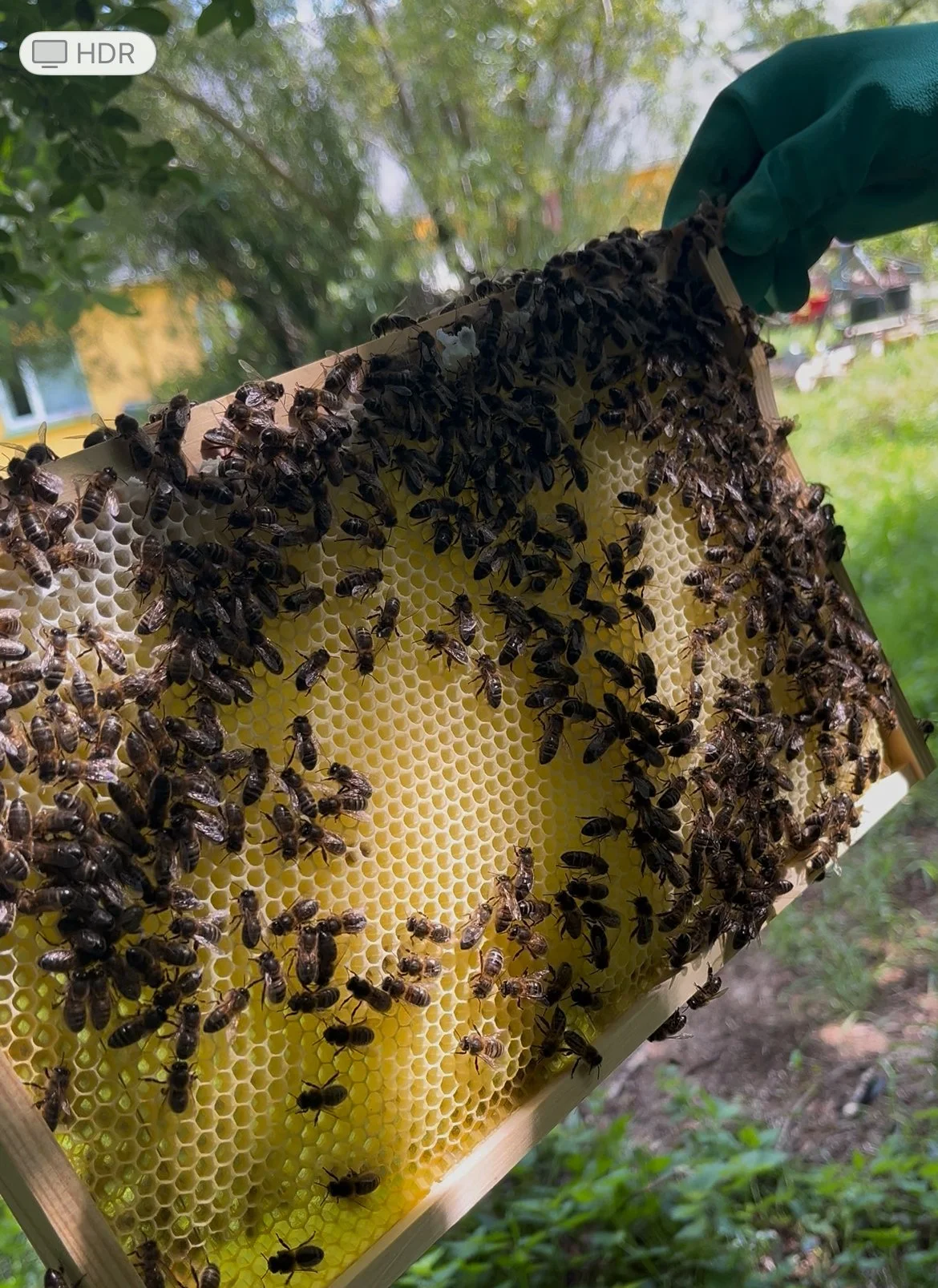
Does bee keeping improve our health and wellbeing?
The research focused on 12 farmers, ten males and two females. Participants spanned the age categories from 18 to 29, to 60 plus, and farms classified as small, medium and large in size. The study comprised a survey followed by a one-to-one interview. Although a small study group, the results were promising.
Every beekeepers within the study expressed a sense of pride in their beekeeping endeavours; from the contributions they felt they were making to their community, to the quality of the products produced (their honey). Beekeeping also lead to greater connections between participants, family members and the community; but the participants also expressed a greater connection to nature and the bees they cared for, even when comparing to other animals they had on the farm or cared for in the past.
Confidence was another notable benefit that the beekeepers reported, one participant in particular noting that beekeeping had fostered his ‘ability to contribute meaningfully to both the community and the environment’. He reported a significant increase in his happiness and wellbeing that he directly attributed to his work with the bees.
The sense of an enhanced community spirit and an increase in acts of kindness were among other benefits mentioned. People gifted jars of honey, feeling that the bees were for all the community. This lead to a greater community connection and some people even changed their gardening and farming practices, to better align with the welfare of the bees. So the wellbeing spread from the beekeeper, to their family, their community and the environment too. A wellbeing win all round.
What does wellbeing sound like?
We associate a buzzing noise with bees but they use many different sounds to communicate such as piping, tooting, quaking or whooping and these can be monitored to track the health and wellbeing of a hive; researchers use microphones within hives and simple apps to track this auditory information.
Such technology can, for example, detect the piping sound (340 to 450 Hz) of a queen bee, indicating that a swarm event may be imminent.
While bee sounds are important to signal the wellbeing of a hive, do these sounds have any effect on the wellbeing of the listener? The beekeepers of Slovenia certainly think so. Slovenia is a nation of beekeepers (five beekeepers per 1,000 inhabitants) and based on their observations of the calming effect of bees, they set up beekeeping programs for firefighters and have even installed bee beds in some schools to help calm a stressed or anxious child.
A bee bed, or apihouse, is a shed-type resting area set above a hive of bees. The bed and the hive have separate entrances, removing the threat of a bee sting. The idea behind a bee bed is to create a calming space to lie while listening to the soothing sound of the buzzing beneath. While individuals often report a positive calming effect, including reduction in stress and anxiety, the research to back up these claims is limited. One small study of 60 participants did record some promising results, when monitoring anxiety levels in two groups exposed to the sound of buzzing bees (sounds of a frequency between 237 Hz and 416 Hz); one group used the apihouse and another listened to recordings of bee sounds. Both groups showed significant reduction in anxiety levels suggesting a promising first step in the research.
Of course, the benefits of beekeeping may not be directly, or completely link to the sound the bees make, but regardless of the how, apiculture is growing in popularity as an aid to wellbeing . Many countries run beekeeping classes and programmes to help people suffering with mental health issues associated with PTSD, depression or anxiety. Although the research is ongoing, most participants report an improvement in their self-esteem, sense of purpose and quality of life. Now that really does sound as sweet as honey.
